Maranta Vs Calathea: Which One is Perfect for Your Indoors?
If you're into indoor gardening, you might have come across Maranta and Calathea. These two plants are quite popular among indoor plant enthusiasts. But how to choose between them? In this blog post, we'll be discussing the key differences between Maranta and Calathea, their care requirements, and which one would be perfect for your indoors.
Before we dive into the details, let's take a moment to introduce these beautiful plants.
- Maranta: Also known as "prayer plant," Maranta is widely recognized for its unique foliage patterns. Its leaves fold up at night, resembling praying hands, hence the name. The plant is native to Central and South America and comes in various colors and sizes.
- Calathea: With over 300 species, Calathea is a diverse genus of plants. Known for their ornamental foliage, Calatheas are a bit trickier to grow than Marantas. They're native to tropical regions of the Americas, Africa, and Asia.
Now that we've got a brief overview of both plants, let's move on to the main course.
Appearance
One of the most noticeable differences between Maranta and Calathea is their appearance. Here's how:
Maranta:
- Leaves are oval-shaped or oblong
- Leaf coloration varies from green to red to purple
- Leaves are often variegated with patterns of blotches, stripes, or spots
- Compact growth habit
- Petioles (leaf stalks) are usually short
Calathea:
- Leaves are typically wider and rounder than Maranta
- Leaf coloration varies from light green to dark green
- Leaves have more elaborate patterns, including veins, stripes, and intricate markings
- Growth habit is often more open and upright
- Petioles are often longer
Care Requirements
Maranta and Calathea are both tropical plants that require similar care. However, there are a few differences you need to keep in mind.
Light:
Both Maranta and Calathea prefer bright, indirect light. Direct sunlight can scorch their leaves. However, Marantas can tolerate slightly lower light levels than Calatheas.
Water:
Maranta and Calathea like to be kept moist but not soggy. Overwatering can lead to root rot, while underwatering can cause the leaves to wilt. Water your plants when the top inch of soil feels dry.
Humidity:
Both Maranta and Calathea thrive in high humidity environments. If the air is too dry, their leaves may turn brown at the tips. Use a humidifier or place a tray of water near the plant to increase the humidity level.
Temperature:
Maranta and Calathea prefer warm temperatures between 60°F-80°F (15°C-27°C). Keep them away from cold drafts and avoid placing them near heaters or air conditioners.
Propagation
If you want to propagate your Maranta or Calathea, the easiest way is through division. Simply divide the plant into smaller sections, making sure each section has roots attached. Replant the sections in fresh soil and water them thoroughly.
Toxicity
Both Maranta and Calathea are non-toxic to humans and pets. However, if ingested, they can cause mild gastrointestinal upset.
Common Pests and Diseases
Like many indoor plants, Maranta and Calathea are susceptible to pests and diseases. The most common ones include:
Pests:
- Spider mites
- Mealybugs
- Scale insects
- Whiteflies
Diseases:
- Leaf spot
- Root rot
- Powdery mildew
To prevent these issues, make sure to keep your plants clean and healthy. Use a gentle insecticidal soap or neem oil if you notice any pests. If your plants are infected with a disease, remove the affected leaves and treat them with a fungicide.
Which One to Choose?
Now that we've covered all the basics, let's answer the big question: which one should you choose?
The answer depends on your preferences and skill level. Maranta is easier to care for and more forgiving of mistakes. It's also less demanding when it comes to light levels. On the other hand, Calathea requires more attention and care, but its intricate patterns and colors make it a stunning addition to any indoor space.
In conclusion, both Maranta and Calathea are beautiful plants that can thrive indoors with proper care. Whether you're a beginner or an experienced indoor gardener, there's a plant for everyone. Choose Maranta if you want an easy-to-care-for plant with unique foliage patterns. Choose Calathea if you're up for a challenge and want a plant with stunning colors and patterns.
Frequently Asked Questions
Q1. Can Maranta and Calathea grow in low light conditions?
Both Maranta and Calathea prefer bright, indirect light. However, Marantas can tolerate slightly lower light levels than Calatheas.
Q2. How often should I water my Maranta or Calathea?
Water your plants when the top inch of soil feels dry. Make sure not to overwater them as it can lead to root rot.
Q3. Is Maranta or Calathea toxic to pets?
No, both Maranta and Calathea are non-toxic to humans and pets. However, if ingested, they can cause mild gastrointestinal upset.
Q4. How do I propagate my Maranta or Calathea?
The easiest way to propagate your plants is through division. Simply divide the plant into smaller sections, making sure each section has roots attached. Replant the sections in fresh soil and water them thoroughly.
Q5. What pests and diseases should I watch out for?
Maranta and Calathea are susceptible to spider mites, mealybugs, scale insects, whiteflies, leaf spot, root rot, and powdery mildew.
Q6. Can I keep Maranta and Calathea together?
Yes, you can keep them together as they have similar care requirements.
Q7. Do Maranta and Calathea need fertilizer?
Yes, you can fertilize your plants once a month during the growing season (spring and summer). Use a balanced liquid fertilizer diluted to half strength.
Q8. Can I prune my Maranta or Calathea?
Yes, you can prune your plants to control their size and shape. Make sure to use clean, sharp scissors and cut just above a leaf node.
Q9. How do I increase humidity for my Maranta or Calathea?
You can use a humidifier or place a tray of water near the plant to increase the humidity level.
Q10. How do I prevent my Maranta or Calathea from getting brown tips?
If the air is too dry, their leaves may turn brown at the tips. Use a humidifier or place a tray of water near the plant to increase the humidity level.
13 Maranta vs calathea Images

Pin By Rhonda Persh On Music Is My Soul

Calathea Vs Formica Lesfleurs 5ruetrousseau Paris

Calathea Synthia Calathea Little Princess Instagram Paisagismo

Pin On YouTube Frugalmomandwife Channel

Calathea Ornata Calathea Plant Calathea Plants

Calathea Beauty Star Small Calathea Plant Care Plant Leaves

Calathea Stromanthe Triostar House Plants Plants Calathea

Calathea Triostar Stromanthe Plant Care Tips YouTube Plants Plant

CalatheaCalathearufibarbaWavestarD21cm Kamerplanten

Free Plant Identification
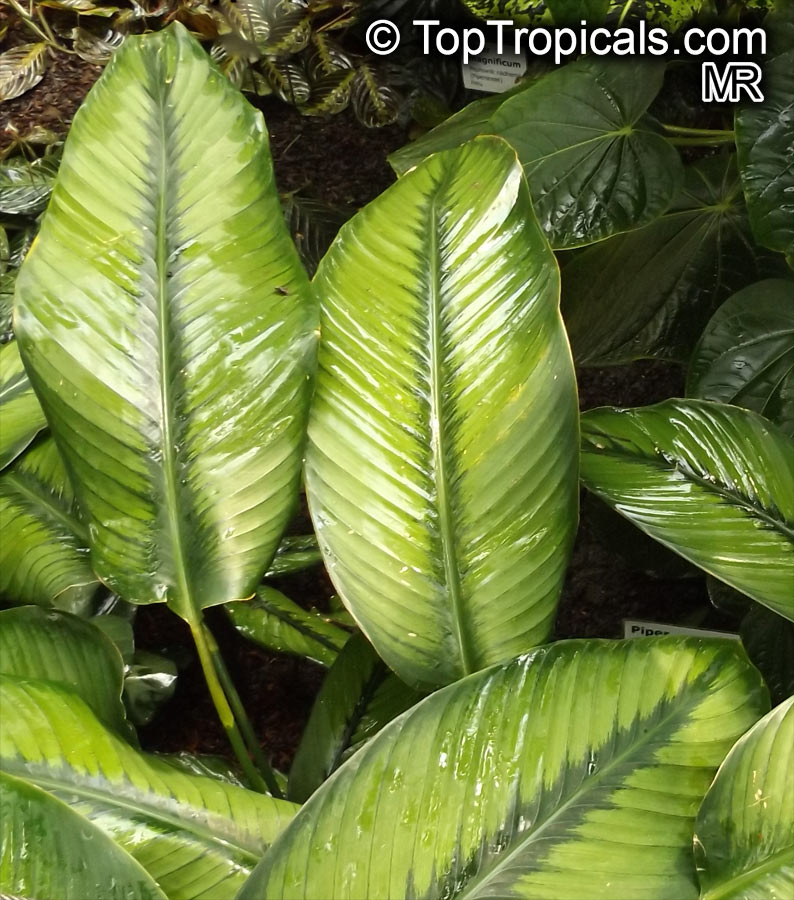
1000 Images About Marantaceae On Pinterest

Calatheas Red Plantas Tropicales Flores Tropicales Jardines Tropicales

Calathea Stromanthe Triostar In 2020 House Plants Landscaping
Post a Comment for "Maranta Vs Calathea: Which One is Perfect for Your Indoors?"