The Flood Level Rim: A Comprehensive Guide
Floods are one of the most devastating natural disasters. They can cause loss of life, property damage, and disruption to the normal functioning of a community. However, with proper planning and preparation, it is possible to mitigate the effects of floods. One important aspect of flood protection is the flood level rim. In this article, we will explore what a flood level rim is, how it works, and why it is essential for flood protection.
What is a Flood Level Rim?
A flood level rim is a barrier that prevents water from entering a building during a flood event. It is designed to be installed around the perimeter of a structure and is typically made of a waterproof material such as concrete or steel. The flood level rim is usually installed at a height above the predicted flood level in the area.
The flood level rim is an important component of flood protection because it prevents water from entering a building through openings such as doors and windows. When water enters a building, it can cause significant damage to the interior and contents of the building. The flood level rim ensures that the building remains dry even in the event of a flood.
How Does a Flood Level Rim Work?
A flood level rim works by creating a physical barrier between the outside environment and the interior of a building. The rim is designed to be watertight, which means that water cannot penetrate it. When a flood occurs, water will rise to a certain level in the area. If the flood level is below the height of the flood level rim, the water will not be able to enter the building.
The flood level rim is typically installed around the perimeter of a building at a height that is above the predicted flood level. The height of the rim will vary depending on the location of the building and the likelihood of flooding in the area.
Why is a Flood Level Rim Essential for Flood Protection?
A flood level rim is essential for flood protection because it prevents water from entering a building through openings such as doors and windows. When water enters a building, it can cause significant damage to the interior and contents of the building. The flood level rim ensures that the building remains dry even in the event of a flood.
In addition to protecting the interior of a building, a flood level rim can also help to prevent structural damage. When water enters a building, it can weaken the foundation and structure of the building. By preventing water from entering the building, the flood level rim can help to maintain the integrity of the structure.
Types of Flood Level Rims
There are several types of flood level rims available, each with its own advantages and disadvantages. Some common types of flood level rims include:
Concrete Flood Level Rim
A concrete flood level rim is one of the most popular types of flood protection systems. It is typically installed around the perimeter of a building and is designed to be watertight. Concrete flood level rims are durable and long-lasting, but they can be expensive to install.
Steel Flood Level Rim
A steel flood level rim is another popular type of flood protection system. It is typically made of galvanized steel and is designed to be watertight. Steel flood level rims are often less expensive than concrete rims, but they may not be as durable.
Plastic Flood Level Rim
A plastic flood level rim is a newer type of flood protection system. It is typically made of high-density polyethylene (HDPE) and is designed to be lightweight and easy to install. Plastic flood level rims are often less expensive than other types of rims, but they may not be as durable.
Installation of Flood Level Rims
The installation of flood level rims should be by professionals who are experienced in flood protection systems. The installation process will vary depending on the type of rim being installed and the location of the building.
Before installing a flood level rim, it is essential to assess the risk of flooding in the area. This will help determine the appropriate height for the rim to be installed. The height of the rim should be above the predicted flood level in the area.
Maintenance of Flood Level Rims
Flood level rims require regular maintenance to ensure that they remain effective. Regular inspections should be performed to check for any signs of damage or wear. Any damage should be repaired immediately to prevent water from entering the building.
In addition to inspections, flood level rims should be cleaned regularly to prevent debris from accumulating. Debris can clog the rim and prevent it from functioning correctly.
A flood level rim is an essential component of flood protection. It prevents water from entering a building through openings such as doors and windows, which can cause significant damage to the interior and contents of the building. There are several types of flood level rims available, each with its advantages and disadvantages. Proper installation and maintenance of flood level rims are crucial for ensuring their effectiveness in protecting against floods.
Frequently Asked Questions
Q1. How does a flood level rim work?
A flood level rim works by creating a physical barrier between the outside environment and the interior of a building. The rim is designed to be watertight, which means that water cannot penetrate it. When a flood occurs, water will rise to a certain level in the area. If the flood level is below the height of the flood level rim, the water will not be able to enter the building.
Q2. What are some common types of flood level rims?
Some common types of flood level rims include concrete, steel, and plastic. Each type has its advantages and disadvantages.
Q3. How high should a flood level rim be installed?
The height of the rim should be above the predicted flood level in the area. The appropriate height will vary depending on the location of the building and the likelihood of flooding in the area.
Q4. Can a flood level rim prevent all types of flooding?
No, a flood level rim cannot prevent all types of flooding. It is designed to protect against floods that occur due to rising water levels. Other types of flooding, such as flash floods or coastal flooding, may require additional protection measures.
Q5. How often should flood level rims be inspected?
Flood level rims should be inspected regularly to ensure that they remain effective. The frequency of inspections will depend on several factors, including the type of rim and the location of the building.
Q6. Can a flood level rim be installed on an existing building?
Yes, a flood level rim can be installed on an existing building. However, the installation process may be more complicated than installing a rim on a new building.
Q7. Is it possible to install a flood level rim yourself?
No, flood level rims should only be installed by professionals who are experienced in flood protection systems.
Q8. How long do flood level rims last?
The lifespan of a flood level rim will depend on several factors, including the type of rim and the conditions in which it is installed. In general, a well-maintained flood level rim can last for many years.
Q9. Can a flood level rim be used in areas with heavy rainfall?
Yes, a flood level rim can be used in areas with heavy rainfall. However, the appropriate height for the rim will need to be determined based on the predicted flood level in the area.
Q10. Are there any disadvantages to using a flood level rim?
One disadvantage of using a flood level rim is that it can be expensive to install. Additionally, some types of rims may not be as durable as others and may require more frequent maintenance.
11 Flood level rim Images

Use A Common Vent Stack That Also Connects To Other Fixtures However

Pin By Polly Page On Bathrooms Bathroom Vanity Bathroom Vanity

Have An Insurance Claim Are You Sure Do You Know Are You Covered If

Exceptions To Horizontal Venting Under Floor Terry Love Plumbing

2010 ADA Standards For Accessible Design Urinal Toilet Design Small

Newts Lab Pacific Rim V02 Scifi Aesthetic Scifi Room Fire And

Under Slab Plumbing Search Yahoo Image Search Results Bathroom
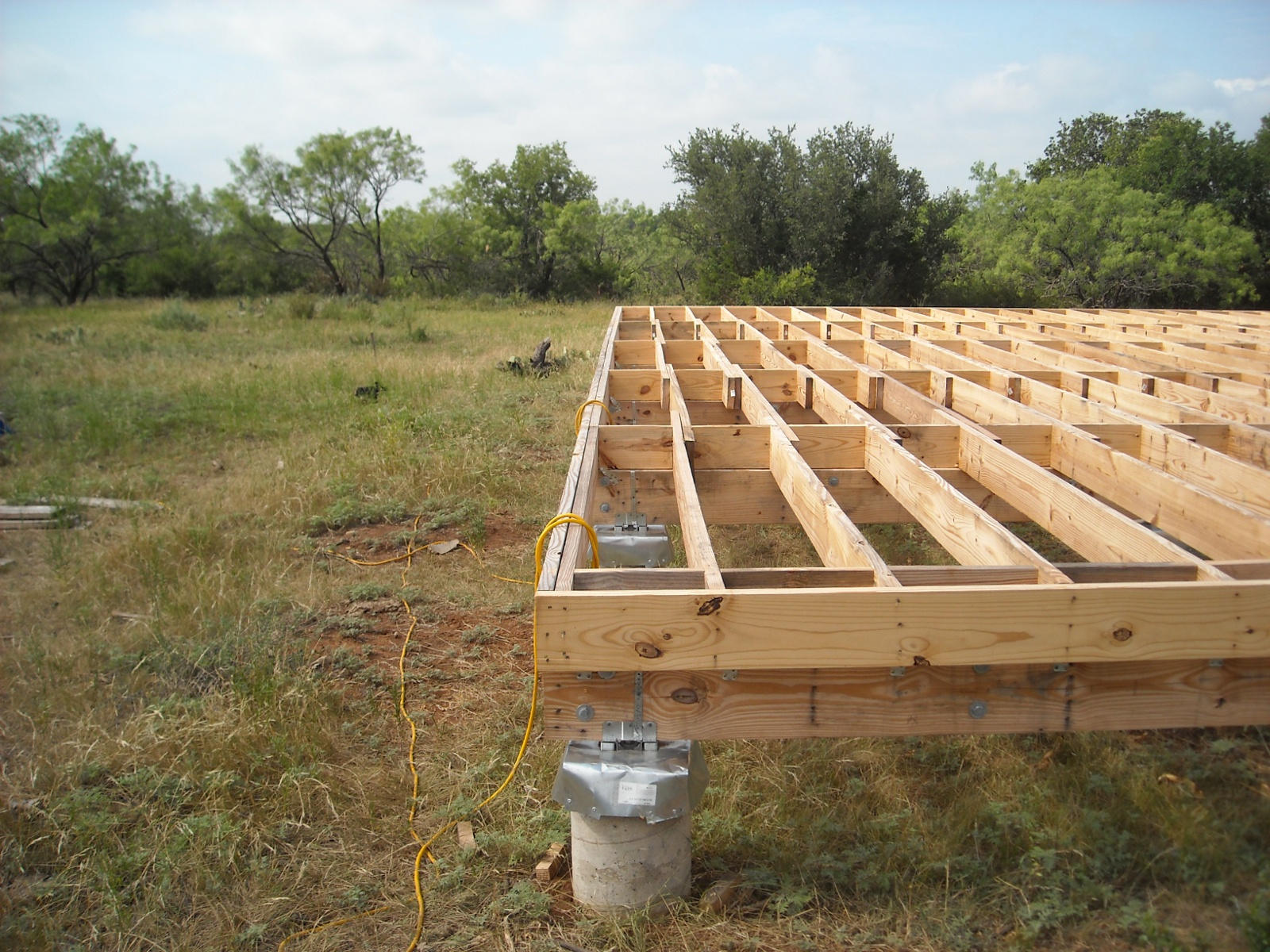
A House Update VII Floored Updating House House Foundation

Instalaciones Sanitarias Suministro Y Distribucion De Agua Potable

Pin On Mudroom Laundry

Whats The Best Way To Prevent Flooding River Flood Causes Flood
Post a Comment for "The Flood Level Rim: A Comprehensive Guide"